Wastewater professionals help keep our communities safe and healthy by managing the water we depend on every day. Increasingly, they’re also monitoring wastewater for bacteria, viruses, and other signals that help scientists identify and predict disease outbreaks before they spread.
A career in wastewater might not sound glamorous, but these jobs are critical for ensuring the health, safety, and well-being of our communities. And, jobs in the water sector pay 37% higher than the average salary per state across the Great Lakes region!
But how can monitoring wastewater give us a glimpse into the future? And what does it look like to build a career in this growing field?
Meet a Wastewater Sampling Coordinator
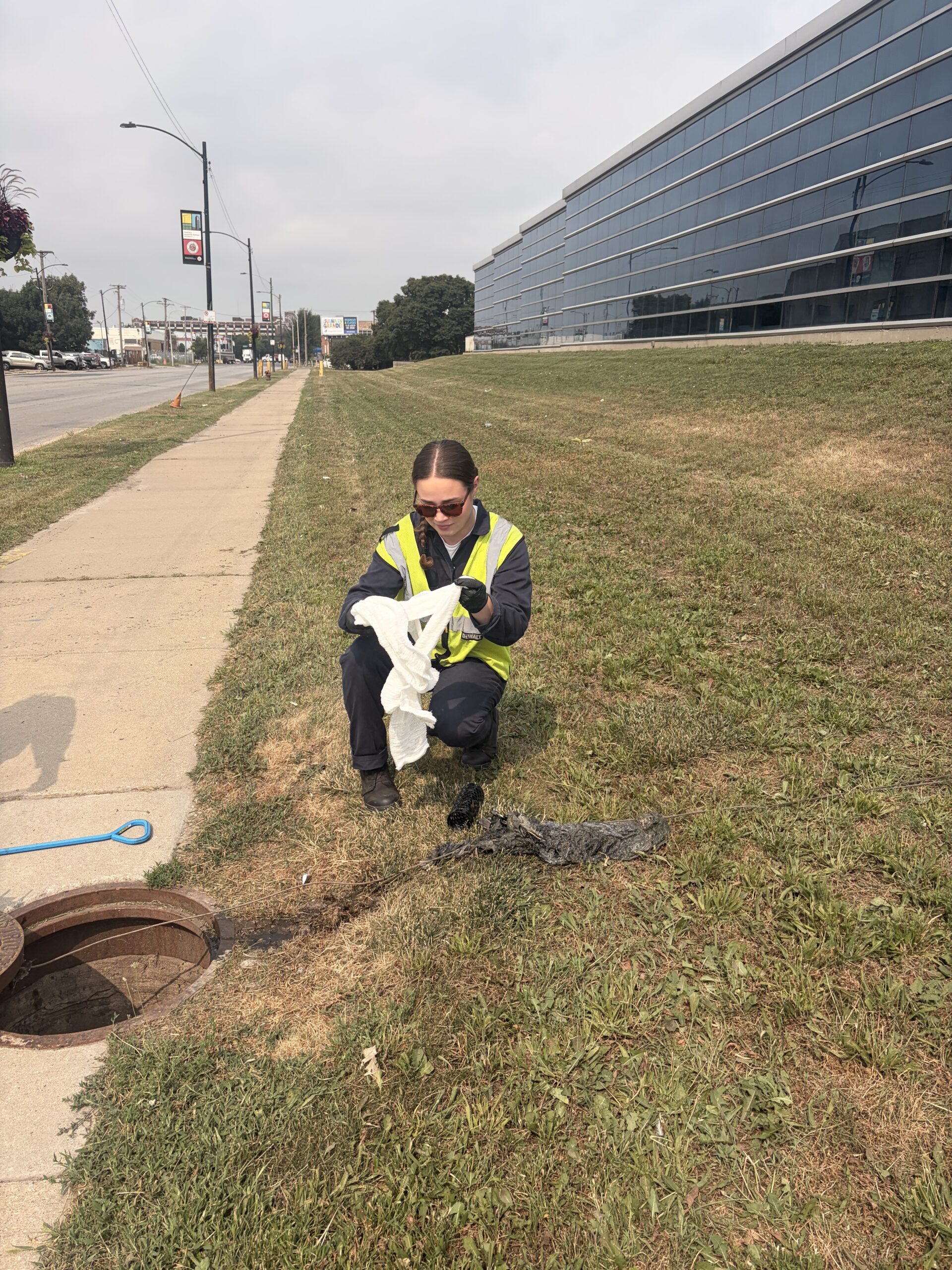
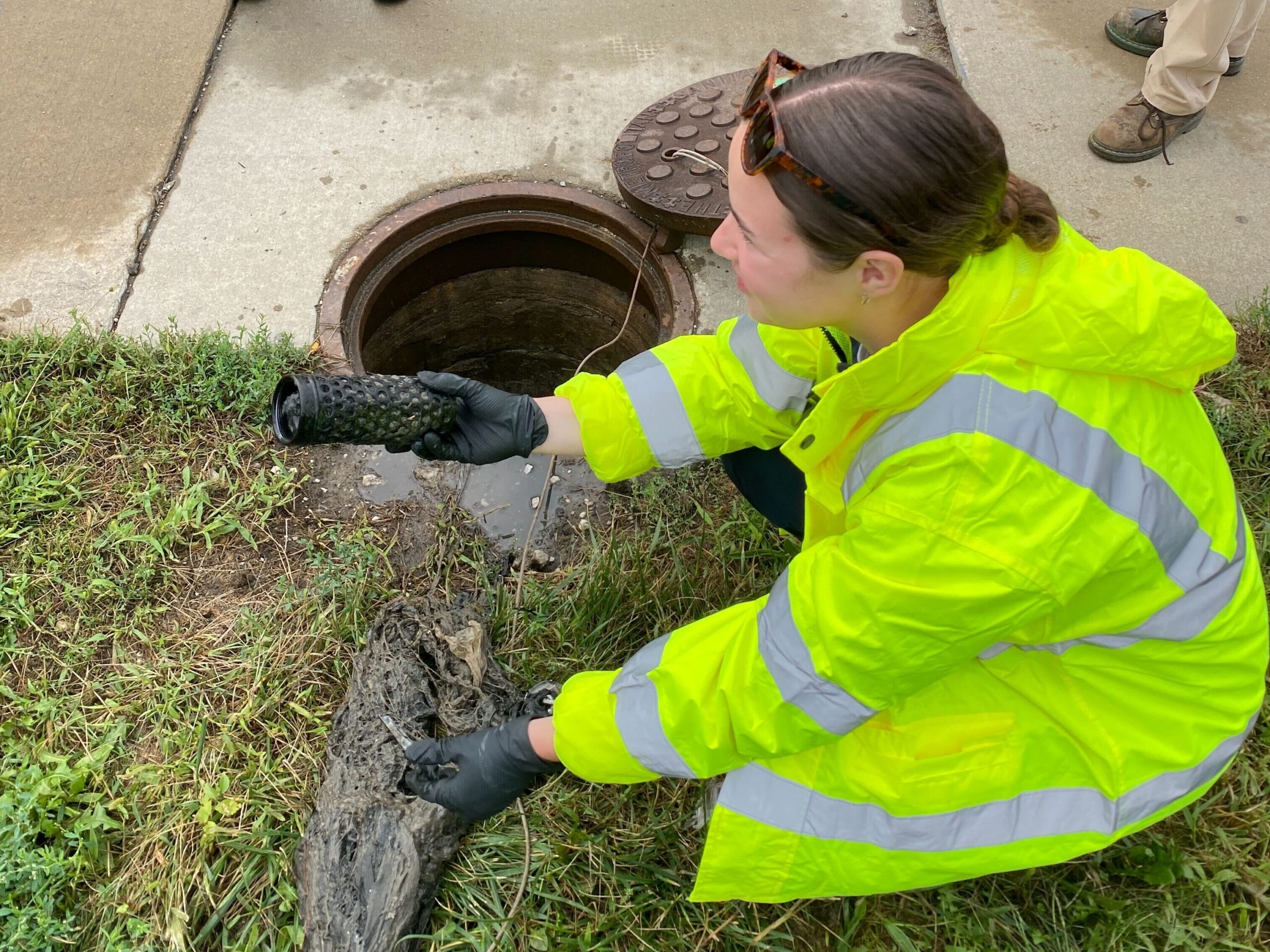
Meet Maggie Ryan, a Wastewater-Based Epidemiology Sampling Coordinator at Current. Maggie is one of the people working behind the scenes to collect and analyze wastewater samples across Chicagoland that discern information about the health of our communities.
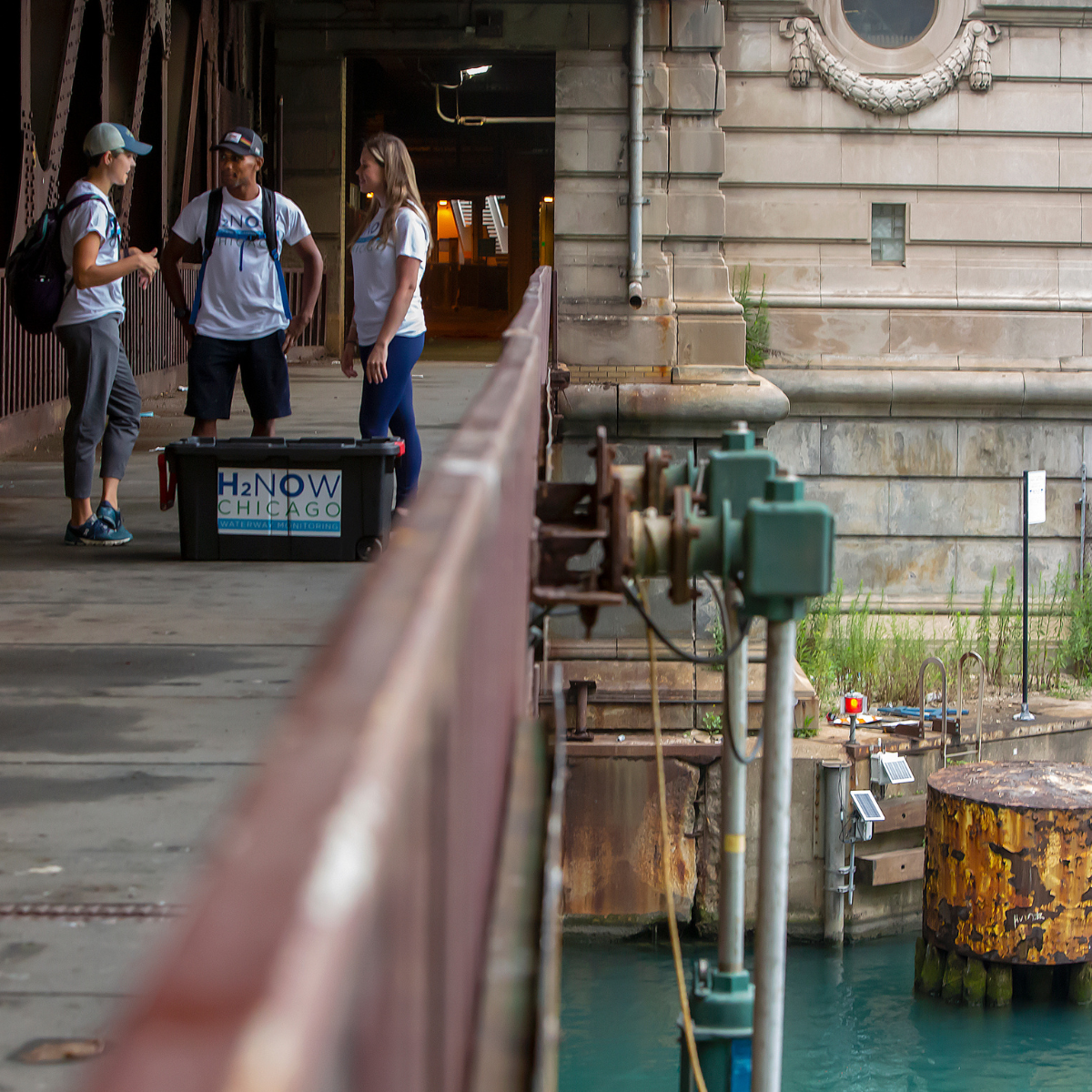
“I’m originally from the Chicago area, but I went to the University of Denver to study Environmental Science and Public Policy,” Maggie shares. “While I was in school, I became especially passionate about water after learning about, and directly experiencing, the impacts of drought and water scarcity in the western US. Today, I primarily collect samples for Current’s Wastewater-Based Epidemiology program, while also supporting sample collection for our H2NOW Chicago program.”
The water sector is currently approaching what experts are calling a “silver tsunami,” with an estimated 30% to 50% of the 1.7 million water workers in the U.S. becoming eligible for retirement within the next decade. This significant and unprecedented workforce gap presents an opportunity for a new generation of workers to enter an essential industry with strong demand for their skills. And yet, one of the biggest barriers to entry remains access to the education and training needed to pursue this career path.
Through our NSF Great Lakes RENEW Engine, Current works with a regional coalition to build and strengthen career pathways for people interested in pursuing careers in the water sector. We practice what we preach through programs like our wastewater-based epidemiology work, which provides a direct entry point for people new to the industry to gain hands-on experience and gain exposure to the broader water industry.
What is Wastewater-Based Epidemiology?
While wastewater-based epidemiology isn’t new, it took off in 2020 during the early days of the COVID-19 pandemic. The pandemic created new demand for this critical public health tool in the US and beyond, enabling researchers and public-sector partners to analyze wastewater samples, identify outbreaks, and provide early warnings to local communities.
In Chicago, the process is relatively straightforward: samplers receive a list of targeted locations from the City of Chicago and head out into the field. These samples are delivered to a lab at the University of Illinois Chicago (UIC), where researchers test them for pathogens like SARS-CoV-2 (the virus that causes COVID-19), influenza viruses A and B, respiratory syncytial virus (RSV), , and occasionally other emerging public health threats.
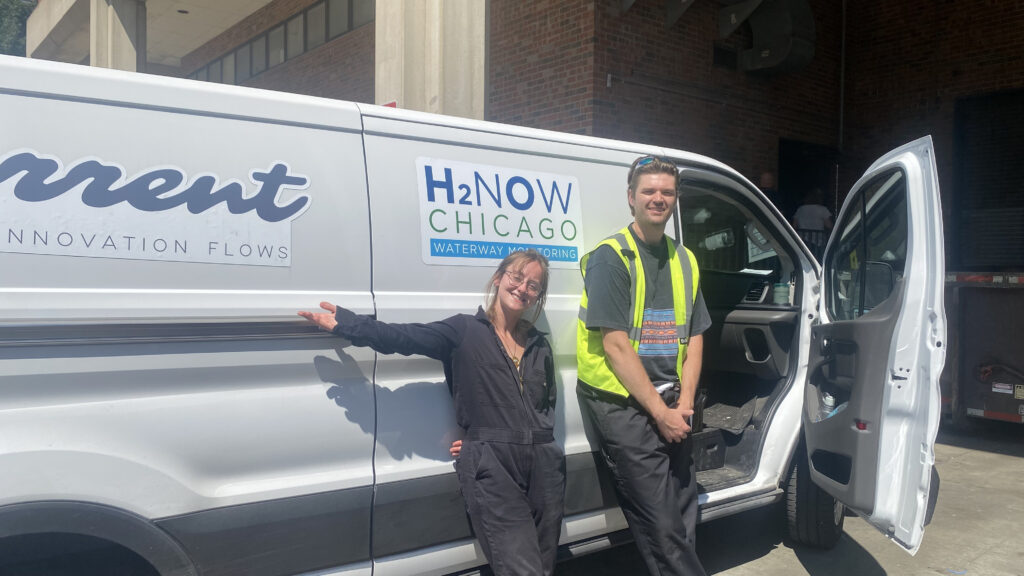
“A typical day starts around 9:30 a.m.,” says Maggie. “We put on our coveralls and head out in Current’s van to three or four sampling sites across Chicago. After collecting the samples, we bring them to the UIC lab for analysis. We then disinfect the van and equipment before wrapping up around 2:00 p.m.”
Once collected, the samples head straight to UIC’s lab for primary pathogen detection. From there, the biological sequence is passed off to Argonne National Laboratory, where scientists run genomic sequencing to unmask specific viral variants and mutations. Finally, researchers at Northwestern University crunch the data to build predictive models, giving local health officials a vital head start to spot rising outbreaks days before doctors’ offices and hospitals see a single spike.
Whether you’re interested in entering the water workforce or are simply curious about it, there are plenty of educational opportunities and ways to stay informed about job openings and training programs. Current works with workforce and skills development organizations like HIRE360 and OAI to make water careers more accessible by offering hands-on learning experiences.
Engaging the Next Generation’s Water Workforce
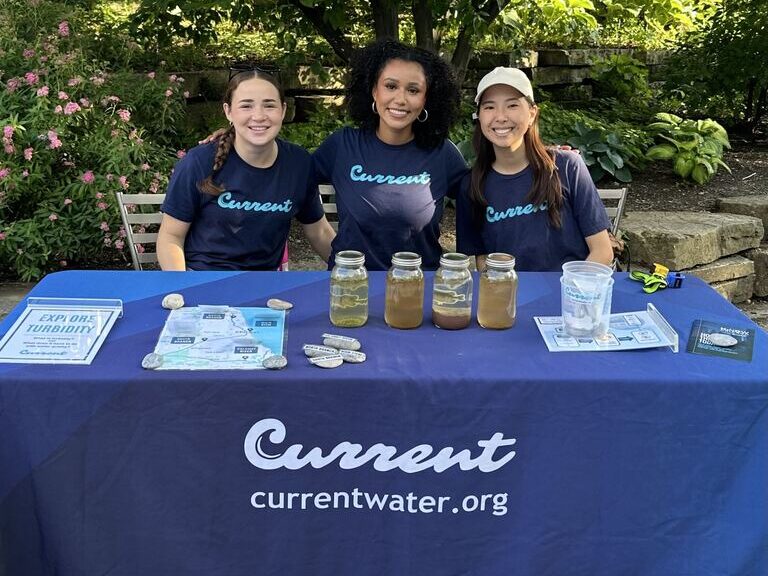
“One experience during my time at Current that really sticks with me was an event I helped table at the Peggy Notebaert Nature Museum in Lincoln Park,” says Maggie. “We taught kids about turbidity and helped them understand how water quality is measured. I loved seeing how excited and curious they were—it showed me just how important it is to make water science engaging and accessible to the public.”
Providing access to the water workforce and continuing to offer educational opportunities that underscore the importance of water quality and water careers, is how will ensure we have the water workforce we need to solve the water challenges not just of today, but of the future. It’s time for the next generation to recognize the impact that they can make within these fields and get involved.
For anyone considering a leap into the field, Maggie offers encouraging advice: “Don’t be afraid to join the water workforce even if you don’t have a formal education in water. There are plenty of hands-on opportunities to learn through training programs like the ones HIRE360 offers.”
Don’t be afraid to dip your toe in the water-workforce! If you’d like to know more about Current’s Workforce Development strategy, check out our recently published Strategic Plan and contact us.
To view the Chicago Department of Public Health dashboard, click here.
To view the World Health Organization Covid-19 dashboard, click here.
About Current
Current is an independent nonprofit water innovation hub, founded in Chicago in 2016, with a mission to grow a circular blue economy, accelerate water innovation, and solve pressing water challenges. Current collaborates with industry, innovators, communities, nonprofits and governments to advance innovative water technologies and policies that boost our economy while protecting our water resources. In 2024, Current was designated by the U.S. National Science Foundation to lead one of nine Regional Innovation Engines, Great Lakes RENEW (Recovery of Energy, Nutrients, critical Elements, and Water). To date, Current and our partners have delivered on RENEW’s waste-to-wealth mission by collectively raising over $123.2M for regional water innovation and economic development, supporting 19 R&D projects, 40+ pilots, and 110+ startups, training 560 people for blue economy jobs, and engaging 1,650 youth in water STEM programming. Learn more: currentwater.org